Expert Insights to Electronics Recycling Services
Eco-Friendly Approaches: How E-Waste Recycling Services Are Preserving Our Planet
E-waste represents a considerable hazard to the environment, as abandoned electronic devices commonly carry harmful materials. These toxic materials have the potential to taint soil and water sources, leading to broader ecological damage. E-waste recycling initiatives provide a practical answer. They successfully retrieve useful resources while simultaneously minimizing environmental pollution. Comprehending the operation of these services and their influence on communities is of great importance. The path to successful electronic waste management prompts vital discussions about personal accountability and communal efforts. What actions should be considered going forward?
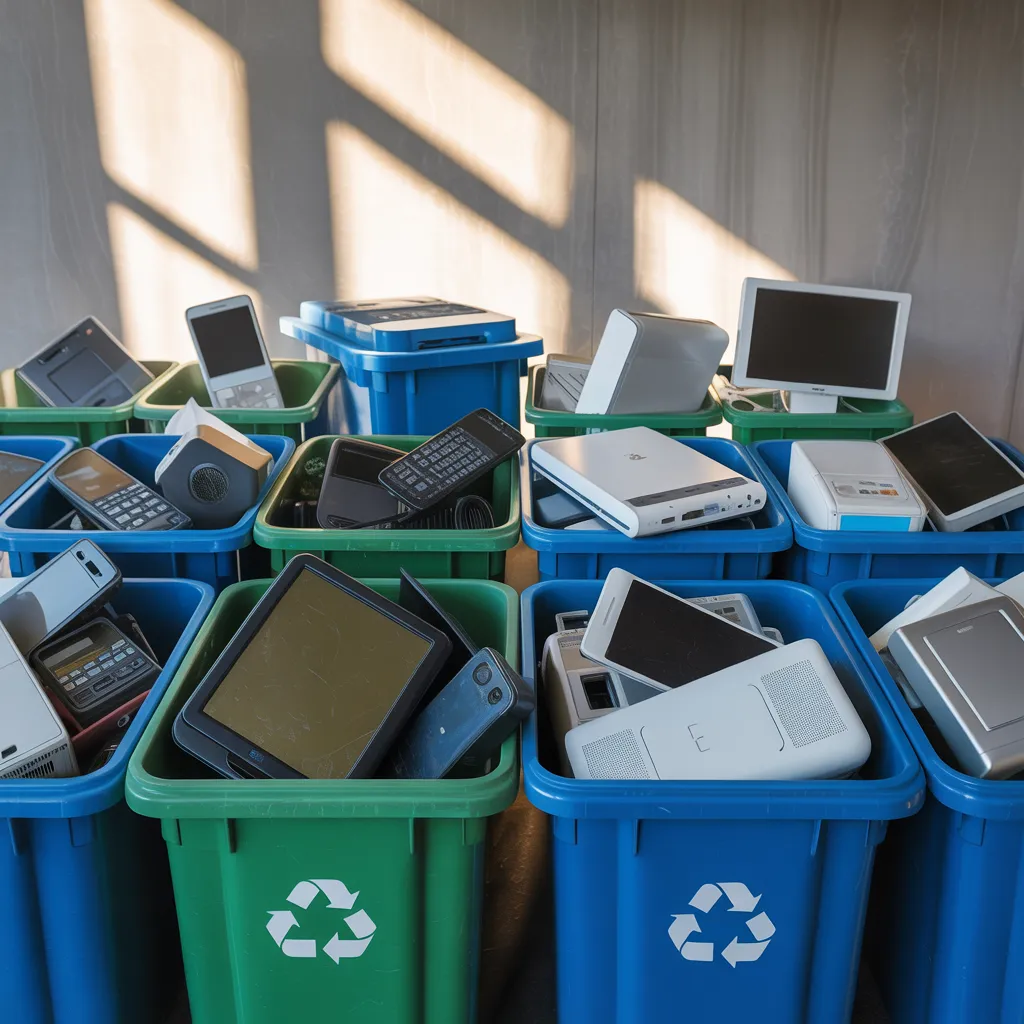
The Reasons E-Waste Is Damaging to the Planet
Although technology enriches contemporary living, e-waste creates significant View more environmental threats. Disposed electronic equipment, frequently composed of dangerous compounds like mercury, lead, and cadmium, may release harmful substances into the surrounding soil and water supply, presenting dangers to ecosystems and human health. The rapid pace of technological advancement results in greater consumer replacement of electronic devices, intensifying the growing problem of electronic waste.
Landfills, already strained by waste, are unable to keep up with the rising quantities of abandoned electronics. Burning, an alternative disposal approach, discharges toxic contaminants into the air, worsening overall air quality. Moreover, poor recycling procedures can cause e-waste to be sent to developing regions, where employees may disassemble electronics without sufficient safety precautions, leaving them vulnerable to harmful substances. This cycle of neglect and improper handling underscores the urgent need for sustainable recycling solutions that can mitigate the adverse effects of e-waste on the planet.
What Is E-Waste and Why Is It Important?
Electronic waste, commonly known as e-waste, includes discarded electronic devices including smartphones, computers, and televisions that have reached the end of their useful life. This growing category of waste is significant due to its rapid accumulation, fueled by innovation in technology and shifting consumer habits. As growing numbers of electronics become outdated, the toll on the environment grows more severe, with dangerous elements including lead, mercury, and cadmium posing risks to ecosystems and human health.
The importance of addressing e-waste lies not only in mitigating these hazards but also in recognizing the valuable materials it contains. Valuable metals and rare earth materials can be extracted and repurposed, lessening the demand for mining and preserving natural resources. By understanding e-waste and its implications, individuals and organizations can make informed decisions about disposal and recycling, ultimately contributing to a more sustainable future. Proper management of e-waste is essential for fostering a circular economy and promoting environmental stewardship.
How the E-Waste Recycling Process Works
E-waste recycling entails a systematic process aimed at reclaiming useful resources while limiting ecological damage. At the outset, electronic waste is gathered and delivered to dedicated processing centers. After reaching the facility, the electronics are carefully categorized to separate hazardous components from recyclable materials.
Subsequently, specialists take apart the electronics, extracting glass, metals, and plastics. This process is vital, as it enables the retrieval of rare metals like gold, silver, and copper, which can be recycled in new electronic devices.
Afterward, the sorted materials are processed with advanced techniques, such as shredding and specialized chemical treatments, to refine them for reuse.
In the final step, the residual hazardous waste is handled with responsibility, following environmental regulations. This systematic method not only conserves resources but also reduces the dangers associated with unsafe e-waste handling, guaranteeing a greener future for electronic consumption.
Why E-Waste Recycling Matters for You and Your Community
Although it often goes unnoticed, the advantages of e-waste recycling extend beyond personal convenience to positively impact entire communities. By responsibly disposing of electronic waste, individuals play a role in creating a healthier environment, reducing hazardous materials that can seep into soil and water. This forward-thinking practice works to protect local ecosystems and supports public health.
Moreover, the recycling of e-waste encourages the creation of jobs in communities. Local recycling facilities often require personnel for diverse activities, from collection to processing, thereby providing employment opportunities to area workers. This not only boosts the local economy but also inspires community dedication to sustainable efforts.
In addition, understanding of e-waste recycling can lead to community outreach programs, empowering residents to adopt eco-friendly choices. By taking part in e-waste recycling programs, individuals promote a culture of sustainability, motivating others to join the movement. In summary, the collective impact of these actions can create a more resilient and environmentally responsible community.
How to Choose an E-Waste Recycling Service
Choosing the most suitable e-waste recycling service is crucial for ensuring that electronic waste is processed with responsibility and sustainability. Initially, people should check the provider's credentials, such as e-Stewards or R2, which demonstrate compliance with industry standards for responsible recycling methods. It's also important to assess the company's reputation by reviewing feedback and obtaining recommendations from trusted sources.
Next, openness in the recycling process is crucial. A trustworthy service should offer detailed insights about the manner in which e-waste is managed and what happens to the materials. Moreover, considering the scope of services provided can prove valuable; various firms may supply retrieval services or extend benefits for recycling.
Ultimately, familiarizing yourself with regional rules concerning e-waste disposal can additionally influence the evaluation process. Through focusing on these key aspects, people are able to support efficient electronic waste handling alongside encouraging eco-friendly habits.
How You Can Take Part in E-Waste Recycling?
Engaging in e-waste recycling can start at the local level, where local recycling facilities regularly supply essential services for proper disposal. Additionally, taking part in community awareness campaigns can strengthen efforts to raise awareness about the importance of ethical e-waste practices. Such efforts not only promote sustainability but also build a collective sense of stewardship of the environment.
Local Recycling Centers
A wide range of community recycling facilities play an essential role in electronic waste recycling, giving communities practical solutions to discard electronic waste in an eco-friendly way. These stations receive a variety of electronic items, including old computers, smartphones, and televisions, ensuring that harmful materials are handled safely. Most centers are equipped with experienced team members who support individuals in understanding proper disposal practices, stressing the significance of recycling instead of landfilling. In addition, various hubs coordinate drop-off events or designated collection days, allowing residents to take part with ease. By utilizing these local services, community members advance a circular economy, decreasing environmental damage and advancing sustainable approaches. Connecting with these stations empowers communities to take action against e-waste pollution effectively.
Community Education Campaigns
Nearby organizations, schools, and enterprises can partner to arrange initiatives that encourage e-waste collection drives. Volunteers can play a pivotal role in raising awareness, sharing informational resources, and connecting with local residents. As a result of these combined actions, residents become more informed and motivated to recycle their electronic waste, thereby helping to build a greener and more sustainable tomorrow.
Answers to Your Most Common Questions
What Kinds of Electronics Can Be Recycled?
A wide range of electronics may be recycled, including smartphones, computers, laptops, televisions, printers, and gaming consoles. Furthermore, accessories such as mice, keyboards, and batteries are also suitable for recycling, promoting efforts to conserve the environment.
Is There a Cost Associated With E-Waste Recycling?
Indeed, electronic waste recycling may involve fees, subject to the service provider. Certain providers apply costs for pickup or handling, while others make services available at no charge, typically funded by the proceeds from salvaged materials.
What Are the Benefits of E-Waste Recycling for Businesses?
Businesses can benefit from e-waste recycling by reducing disposal costs, enhancing their environmental image, adhering to regulatory requirements, recovering valuable materials, and possibly earning income through resale, ultimately contributing to a more sustainable operational strategy.
What Happens to Data on Recycled Devices?
Details regarding refurbished devices is commonly permanently erased or obliterated throughout the recycling process. This guarantees private details stays protected, preventing unauthorized access while enabling materials to be repurposed safely and responsibly in new products.
Are Broken Electronics Eligible for Recycling?
Indeed, damaged electronics may be recycled. Several collection points process defective devices, providing responsible disposal and retrieval of recoverable materials. Doing so helps lower environmental impact while encouraging responsible recycling practices to manage electronic waste efficiently.